For five years, my father charged me $250 a month to live in the bedroom I’d grown up in. He took that money even when I was working six days a week, driving a car that barely ran, and struggling to save enough to pursue my dream of becoming a music producer.
I grew to resent him. By the time I turned 23, we barely spoke, and I was convinced he cared more about money and discipline than he ever had about my happiness.
Then he di:ed.
On the evening of his funeral, his oldest friend appeared at my door carrying a sealed cardboard box.
“Your father made me promise to give you this,” he said. “But only after he was gone.”
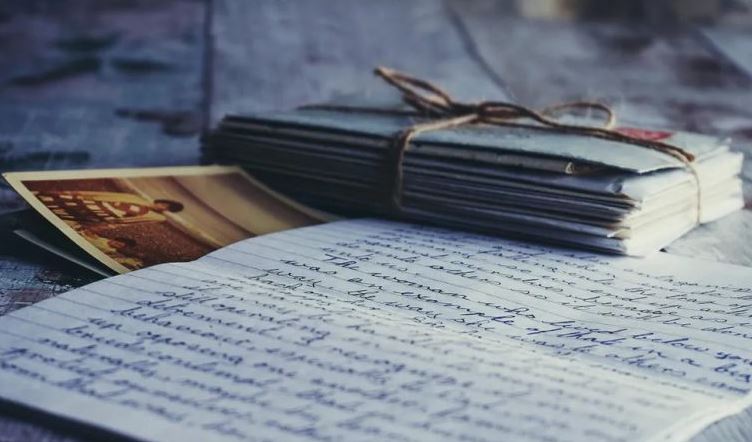
Inside were photographs I’d never seen, an old leather vest, and a small key attached to an unfamiliar address.
I had no idea that the key would lead me to a secret my father had kept for years—or that I was about to discover what had really happened to every single rent payment I’d given him.
But to understand why that discovery nearly broke me, you need to know what happened to our family long before I turned eighteen.
My name is Julian Mercer, and for the first nine years of my life, I thought my father was the happiest man in the world.
Our house wasn’t large or particularly impressive. It had creaky wooden floors, a narrow kitchen, and an old living room couch that my mother insisted was too comfortable to replace.
But it was a happy home.
And there was always music.
My father, Arthur Mercer, worked at a manufacturing plant, but music was his greatest passion. Almost every evening, he would come home, wash his hands, eat dinner with us, and reach for the old acoustic guitar he kept beside the couch.
My mother, Evelyn, loved to sing.
She wasn’t a professional singer, but Dad always told her she had the most beautiful voice he’d ever heard.
Whenever he started playing one of her favorite songs, she’d grab a wooden spoon from the kitchen and use it as a microphone.
Sometimes she performed so dramatically that Dad would start laughing halfway through a song and forget the chords.
“You’re ruining my concert, Evelyn!” he’d complain.
Mom would place a hand over her heart.
“Arthur Mercer, you should be grateful I’m willing to perform with an amateur like you!”
Then she’d look at me.
“Julian, sweetheart, tell your father who the real star of this family is.”
I’d always point at her.
Dad would pretend to look offended before patting the cushion beside him.
“Come here, buddy. Help me show your mother what real musicians sound like.”
I had a tiny plastic guitar with colorful buttons and a few strings that barely stayed in tune.
I’d climb onto the couch beside him and imitate his movements, pretending we were performing in front of thousands of people.
Dad never laughed at my mistakes.
If I played the wrong notes, he’d simply smile and say, “That’s an interesting sound. Maybe you’re inventing a whole new kind of music.”
I loved those evenings more than anything.
I loved the smell of dinner cooking, the sound of Mom singing from the kitchen, and the way Dad sometimes closed his eyes while playing, as though the music carried him somewhere wonderful.
Back then, I never doubted that my father loved me.
I never imagined that the same man would one day refuse to listen to my songs, discourage my dreams, and demand money from me every month just to continue living under his roof.
Everything changed when I was nine.
My mother became seriously ill.
At first, my parents tried to shield me from how bad things were. They told me she needed rest, that the doctors were helping, and that everything would be all right.
But I noticed the changes.
There were hospital appointments, hushed conversations behind closed doors, and mornings when Mom could barely get out of bed.
Dad stopped playing his guitar as often.
Sometimes I’d find him standing in the kitchen, staring at nothing while his coffee went cold.
Then, one rainy afternoon, my mother died.
I remember very little about her funeral.
I remember wearing an uncomfortable shirt, holding Dad’s hand, and watching relatives approach us with sad expressions.
I remember someone telling me my mother had gone to a better place.
And I remember looking up at my father, waiting for him to tell me what we were supposed to do next.
But he looked just as lost as I felt.
After the funeral, the music stopped.
Dad placed his acoustic guitar in its case and pushed it to the back of his bedroom closet.
He started working longer shifts at the factory, sometimes leaving before sunrise and returning long after dinner.
In those early years, money really was tight. Dad was paying off our mortgage, covering medical bills left from Mom’s illness, and trying to support us on a single income.
He made sure I had food, school supplies, and clean clothes.
But emotionally, he seemed to disappear.
When I came home excited about something that had happened at school, he’d barely look up.
When I asked him to play guitar, he’d say he was too tired.
When I told him I missed Mom, he’d pull me into an awkward hug and say, “I know, buddy. I know.”
Then he’d change the subject.
I think he believed that if he kept working and made sure the bills were paid, he was doing everything a father needed to do.
But I didn’t need him to work harder.
I needed him to talk to me.
I needed him to sit beside me on the couch and play the songs Mom used to sing.
I needed to know that I wasn’t the only person in the house who felt as though a piece of our world had disappeared.
Instead, we gradually became strangers.
One winter, when I was eleven, my shoes started leaking whenever it rained.
I came home from school with soaked socks and asked Dad if we could buy a new pair.
He was sitting at the kitchen table, sorting through bills.
“Are they really that bad?” he asked without looking up.
“My feet were wet all day.”
He sighed.
“Wear thicker socks for now. We’ll see what we can do after payday.”
“But everyone else has decent shoes.”
Dad finally looked at me.
“Everyone else isn’t paying our bills, Julian.”
I went to my bedroom and cried.
It wasn’t really about the shoes.
It was about the way he spoke to me, as though every problem I had was another burden he couldn’t afford.
I knew he was working hard.
Even at eleven, I understood that.
But I couldn’t understand why the father who used to make me laugh had become someone I was almost afraid to approach.
When I was twelve, I discovered something that made me see him differently.
I was looking for batteries in an old cabinet when I found a box of photographs.
In one picture, Dad stood onstage beneath bright red lights, holding an electric guitar above his head.
His hair fell to his shoulders, and he wore a leather vest covered with colorful patches.
Behind him, a crowd of people had their hands raised in the air.
I stared at the photograph.
It was my father, but he looked like a completely different person.
There were more pictures.
Dad standing beside three other musicians.
Dad signing posters.
Dad performing in crowded venues.
One photograph showed a banner stretched across a stage.
THE HOLLOW SAINTS.
When he came home that evening, I ran to meet him.
“Dad! You were in a band?”
He stopped taking off his jacket.
“Where did you hear that?”
I held up the photographs.
“I found these! Were you famous? Did you make an album?”
For a moment, his expression softened.
He looked at the photograph, and I thought I saw the beginning of a smile.
Then he took the pictures from my hands.
“That was a long time ago.”
“But you looked so happy!”
He stared at the photograph a moment longer.
“People are happy about all kinds of things when they’re young.”
“What happened to the band?”
“Life happened.”
“But—”
“That’s enough questions, Julian.”
He returned the photographs to their box and put them away.
A few weeks later, I asked him whether he’d ever dreamed of becoming a professional musician.
He sat quietly for a long time before answering.
“Once.”
“What happened?”
He looked into his coffee.
“Dreams don’t always survive real life.”
Then he added something I never forgot.
“Maybe you’ll have better luck with yours.”
I didn’t understand what he meant.
But despite Dad’s growing bitterness toward music, I couldn’t stop loving it.
At fourteen, I started teaching myself guitar through free lessons online.
I borrowed an old instrument from a neighbor and practiced every afternoon.
At first, I could barely form a chord.
My fingertips hurt, my timing was terrible, and the strings buzzed whenever I tried to play anything complicated.
But I kept practicing.
Something about making music made me feel connected to the happiest years of my childhood.
By sixteen, I’d saved enough from mowing lawns and doing small jobs around the neighborhood to buy my own guitar.
It was a battered black electric guitar from a pawnshop.
There were scratches across the body, a small silver star sticker near the neck, and a repaired chip in the finish.
It wasn’t expensive.
But to me, it was perfect.
I spent hours learning songs, experimenting with melodies, and eventually writing music of my own.
Most of my early songs were about things I couldn’t bring myself to say aloud.
Missing Mom.
Feeling lonely.
Growing up in a house where nobody seemed to know how to talk anymore.
I started learning how recording software worked and became fascinated by music production.
I loved discovering how different instruments could be layered together, how a simple melody could become something powerful, and how a song could capture emotions that ordinary conversations couldn’t.
For the first time in years, I had something to look forward to.
I wanted to become a music producer.
When I was seventeen, I found a music production program at a community college a few towns away.
The program offered evening classes, hands-on recording experience, and access to professional equipment.
I spent weeks researching tuition, calculating expenses, and imagining what it might be like to study something I genuinely loved.
Finally, I showed Dad the brochure.
“I think I want to apply for this.”
He glanced at the cover.
“Music production?”
“Yeah. I’ve already learned a lot by myself, but this would teach me how to use professional equipment.”
He turned the brochure over.
“How much does it cost?”
I told him.
He closed it.
“Absolutely not.”
I stared at him.
“What?”
“You’re not spending that kind of money learning how to play around with recording equipment.”
“It’s not playing around, Dad. People make careers doing this.”
“Very few people make a decent living from music.”
“I could be one of them.”
He pushed the brochure back toward me.
“Get a practical qualification. Learn something that guarantees a paycheck.”
I felt my face grow hot.
“But you were a musician!”
His expression hardened.
“And look where that got me.”
“You played in front of crowds! You did something you loved!”
“And then I grew up.”
He stood, ending the conversation.
“Music doesn’t pay the bills, Julian. Find something reliable.”
I wanted to ask him how he could once love something so much and now speak about it with such bitterness.
But I knew he wouldn’t answer.
Later that evening, I passed his bedroom and noticed the closet door standing open.
Dad was holding his old guitar.
He stared at it for several seconds, running his fingers lightly along the strings.
For one hopeful moment, I thought he might play.
Instead, he returned it to its case, closed the closet, and switched off the light.
I stood in the hallway long after he’d gone to bed.
I wondered whether he’d stopped loving music or whether remembering it simply hurt too much.
On my eighteenth birthday, Dad gave me the biggest shock of my life.
I came downstairs expecting a quick birthday greeting, maybe a card or breakfast together.
Instead, I found him sitting at the kitchen table with a sheet of paper in front of him.
“Sit down, Julian.”
I pulled out a chair.
He slid the paper across the table.
It was a written agreement stating that beginning the following month, I would pay $250 in rent on the first day of every month.
I read it twice.
“Are you serious?”
“Completely.”
“You’re charging me rent?”
“You’re eighteen now. You’re an adult.”
I stared at him.
“It’s my birthday, Dad.”
“I know.”
“And this is your present?”
He folded his arms.
“Consider it your first lesson in responsibility.”
I waited for him to smile.
He didn’t.
“Dad, I’m trying to save for school.”
“Then you’ll have to learn how to budget.”
“I’m already working part-time.”
“Good. You’re old enough to contribute to the household.”
“But how am I supposed to save anything if I’m paying you every month?”
“That’s something you’ll need to figure out.”
I couldn’t believe what I was hearing.
“Do you even want me living here?”
His face changed.
For a moment, I thought he might apologize.
Instead, he said, “Of course I do. But the world isn’t going to hand you everything you want.”
I pushed the paper away.
“I’m not asking anyone to hand me anything.”
“Then prove it.”
He stood up, picked up his coffee, and left for work.
I spent the rest of my birthday wondering how the man who used to call me his favorite bandmate had become someone who seemed determined to make my life harder.
The following month, I made my first $250 payment.
I left the money on the kitchen table in an envelope.
Dad collected it without saying anything.
That became our routine.
Every month, I worked.
Every month, I paid him.
And every month, I found myself a little more resentful.
I took extra shifts stocking shelves at a grocery store.
Some weeks, I worked six days, leaving early in the morning and coming home so exhausted that I could barely keep my eyes open.
I paid for my own groceries, gas, phone, insurance, clothing, and anything else I needed beyond the basics.
My old car was constantly breaking down.
One winter, the heater stopped working, and I drove to work wearing two jackets and a pair of gloves.
When the transmission started slipping, I used almost everything I’d saved for college to repair it.
Whenever I managed to put a little money aside, another expense appeared.
New tires.
A medical bill.
A reduction in my working hours.
Another repair.
Meanwhile, Dad occasionally came home with fishing equipment or new tools.
He’d become a shift supervisor at the factory, and although he still lived carefully, his income was better than it had been in the years immediately after Mom’s death.
I didn’t know exactly how much he earned or what he’d saved. We almost never discussed money beyond the rent I owed him.
One Saturday, I watched him carry a new fishing rod into the garage.
“Must be nice having money to spend on hobbies,” I muttered.
He heard me.
“Work hard enough, and you’ll be able to afford a few yourself.”
I turned around.
“I already work six days a week.”
“Then learn to manage what you earn.”
I stared at him.
He knew my car was falling apart.
He knew I’d postponed school.
He knew how often I turned down invitations because I couldn’t afford to go anywhere.
Yet he still spoke as though I simply wasn’t trying hard enough.
That night, I decided I would move out as soon as I could.
But every time I calculated the cost of an apartment, utilities, and transportation, I realized I couldn’t afford it.
For the moment, I was trapped.
At nineteen, I finally managed to save enough for a used microphone and a basic audio interface.
I turned a corner of my bedroom into a tiny recording space, hanging thick blankets against the walls to reduce the echo.
The equipment was far from professional.
But it was mine.
And for a little while, making music helped me forget everything else.
Then one evening, Dad appeared in my doorway while I was recording a song.
“Turn that noise down.”
I removed one side of my headphones.
“I’m almost finished.”
“I have to get up at five.”
“I’m using headphones. You can barely hear anything.”
“I can hear the guitar.”
“Just give me ten minutes.”
His expression hardened.
“Julian, I said turn it down.”
Something inside me snapped.
“Do you have any idea how hard I worked to buy this stuff?”
He glanced around my little setup.
“You should be putting that money toward something useful.”
I stood up.
“Of course. Because anything I actually love is a waste of time to you.”
“That’s not what I said.”
“It’s what you always say!”
Dad took a slow breath.
“I’m trying to keep you from making the same mistakes I made.”
“What mistakes? Being happy? Having something you cared about?”
His voice rose.
“I don’t want to watch you throw your future away!”
“And I don’t want to spend my whole life being miserable like you!”
The words came out before I could stop them.
Dad went still.
For a moment, I thought he might shout back.
Instead, he looked at me with an expression I’d never seen before.
It was almost as though I’d struck him.
Then he quietly said, “Turn it down, Julian.”
He walked away.
I slammed my bedroom door so hard that a framed photograph fell from the wall.
After that, our relationship became colder than ever.
I stopped telling Dad about my music.
I stopped asking for his opinion.
Eventually, I stopped recording regularly.
The long shifts at work left me exhausted, and every time I picked up my guitar, I heard his voice telling me I was wasting my future.
When I was twenty, the guitar developed a crack near the bridge that affected the sound.
I couldn’t afford to have it repaired properly.
After weeks of looking at it sitting uselessly in its case, I put it in a box of old belongings I intended to throw away.
I left the box in the garage until the next collection day.
When I went to move it, the box was gone.
I assumed Dad had already taken everything to the curb.
I didn’t ask.
By then, we’d stopped speaking about almost anything personal.
At twenty-one, I enrolled in evening business administration classes.
It wasn’t the career I wanted, but I convinced myself that perhaps Dad was right.
Maybe music was only a dream.
Maybe adulthood meant accepting that the things you loved weren’t necessarily the things you could afford to pursue.
Over the next two years, Dad and I continued living in the same house while barely acknowledging each other.
Sometimes we’d pass in the hallway and exchange a few words about groceries or bills.
Other times, an entire week would go by without a meaningful conversation.
His oldest friend, Graham Foster, was one of the few people who visited regularly.
Graham was a broad-shouldered man with graying hair, rough hands, and a laugh that filled whatever room he entered.
He and Dad had known each other since high school.
I’d learned from the old photographs that Graham had once been the drummer for The Hollow Saints.
Occasionally, Graham would arrive in his truck, and he and Dad would leave together carrying tools, boxes, or old equipment.
Sometimes they were gone all afternoon.
I assumed they were working on cars or repairing things at Graham’s workshop.
One Saturday, Graham found me sitting on the porch.
“Still playing guitar, Julian?”
“Not much anymore.”
“That’s a shame.”
I shrugged.
“Hard to find the time.”
He looked at me thoughtfully.
“Your dad used to say you had a natural ear for music.”
I laughed bitterly.
“My father said that?”
“More than once.”
“That’s funny. Because whenever I brought up music, he told me I was wasting my life.”
Graham’s smile faded.
“He said that, did he?”
“Pretty much.”
For a moment, Graham looked as though he wanted to tell me something.
Instead, he sighed.
“Your father isn’t always good at saying what he means.”
“Then maybe he should learn.”
Graham nodded.
“Maybe he should.”
I didn’t think much about that conversation at the time.
I had no idea how much Graham knew about my father’s life—or how deeply involved he was in the secret Dad had been keeping.
When I was twenty-two, Dad started losing weight.
At first, he blamed stress and long hours.
Then came the persistent cough, the exhaustion, and the unexplained pain.
Eventually, after several appointments and tests, he told me he had cancer.
I remember standing in the kitchen while he explained the diagnosis.
He spoke calmly, almost as though he were discussing a problem with his truck.
“The doctors have a treatment plan,” he said. “We’ll see how it goes.”
I stared at him.
“How serious is it?”
He looked away.
“Serious.”
For the first time in years, I forgot how angry I was with him.
“Do you want me to go to your appointments?”
He shook his head.
“Graham can take me.”
“Dad, I can drive.”
“You have work and classes.”
“I can miss a shift.”
He managed a tired smile.
“Focus on your own life, Julian.”
I hated those words.
For years, I’d wanted him to take an interest in my life.
Now that he needed help, I wanted to be part of his.
But even then, he kept his distance.
His condition deteriorated over the following months.
He took medical leave from the factory, and Graham began visiting almost every day.
Sometimes they spoke quietly in Dad’s bedroom.
Other times, Graham drove him somewhere for a few hours.
I assumed they were attending appointments or handling paperwork.
I started taking over more household responsibilities.
I cooked dinner, collected prescriptions, paid utility bills, and made sure Dad had everything he needed.
He thanked me occasionally.
But we still didn’t know how to talk to each other.
It was as though we had spent so many years building a wall between us that neither of us knew where to begin tearing it down.
One evening, after a particularly difficult treatment, I sat beside his bed.
He was awake, staring at the ceiling.
“Dad?”
“Hmm?”
“Do you remember when we used to play guitar together?”
He turned toward me.
For a moment, his eyes looked brighter.
“Of course I do.”
I swallowed.
“I miss that.”
Dad looked at me for a long time.
Then he whispered, “So do I, buddy.”
I waited for him to say more.
His lips parted as though he wanted to.
But after a moment, he closed his eyes.
I assumed he was exhausted.
I had no idea that he was carrying a secret he desperately wanted to share.
A few weeks later, the doctors told us the treatment wasn’t working.
The cancer had spread.
Dad came home under hospice care, and suddenly our lives revolved around medication schedules, visiting nurses, and making him comfortable.
By then, he was too weak to leave the house.
Graham still visited, sometimes sitting by Dad’s bed for hours.
I noticed they became emotional during some of their conversations.
Once, I heard Graham say, “Arthur, you’ve got to stop worrying about that. It’s taken care of.”
Dad replied so quietly that I couldn’t make out his words.
I didn’t ask what they were discussing.
During Dad’s final week, he slept most of the time.
When he was awake, he was often confused or too exhausted to speak for long.
Our last clear conversation was about the leaking kitchen faucet.
“It’s still dripping,” he murmured.
“I know, Dad. I’ll fix it tomorrow.”
“Don’t overtighten the valve. You’ll crack it.”
I almost smiled.
Even while dying, my father was giving me instructions.
“All right,” I said softly. “I’ll be careful.”
I sat beside him for another twenty minutes.
Several times, I wanted to tell him I loved him.
But after years of silence, the words felt strangely difficult.
I kept telling myself I’d say them tomorrow.
Three days later, Dad died.
He had just turned sixty-one.
I’d turned twenty-three a few weeks earlier.
I’d made my sixtieth monthly rent payment near the beginning of February, completing five full years of payments before he passed away in early March.
For years, I’d imagined how relieved I might feel when I no longer had to live under his rules.
But after the funeral, standing alone in the hallway, I felt something completely different.
His work boots were still beside the door.
His jacket hung from its usual hook.
His coffee mug sat in the dish rack.
I picked up the mug and stared at the chipped handle.
Suddenly, I would’ve given anything to hear him complain about the kitchen faucet one more time.
I wasn’t sure whether I was grieving the father I’d lost or the relationship we’d never managed to have.
Maybe both.
That evening, just as the sun was setting, someone knocked on the door.
It was Graham.
He was holding a cardboard box sealed with brown packing tape.
“Can I come in?”
I stepped aside.
He carried the box into the kitchen and placed it on the table.
“Your father asked me to give you this.”
I looked at it.
“What is it?”
“Something he wanted you to have.”
I let out a bitter laugh.
“What, did he leave me another list of rules?”
Graham didn’t smile.
“Julian, just open it.”
I stared at the box.
“Or maybe he finally decided to give me back some of the rent money.”
Graham’s expression changed slightly.
“Don’t make any guesses until you’ve seen everything.”
Something about his tone made me stop.
I grabbed a kitchen knife, cut through the tape, and opened the box.
The first thing I saw was an old black leather vest covered in faded band patches.
Beneath it were guitar picks, backstage passes, newspaper clippings, and dozens of photographs.
I picked up one of the pictures.
Dad stood onstage beside Graham and two other musicians, smiling beneath bright lights.
In another, he was signing a poster for a group of excited fans.
Then I found a photograph of Mom.
She was standing backstage with her arms wrapped around Dad’s waist.
He held his guitar in one hand and looked down at her with a smile I hadn’t seen since childhood.
I stared at the photograph.
Suddenly, I remembered the evenings in our old living room.
Mom singing from the kitchen.
Dad laughing.
The sound of our guitars playing together.
I sat down heavily.
For fourteen years, I’d tried not to think about those memories because remembering them only made me miss what we’d lost.
But now they came rushing back.
I covered my face and began to cry.
Graham sat beside me and placed a hand on my shoulder.
He didn’t say anything.
He simply stayed until I could breathe normally again.
After a while, he stood.
“Your father wanted you to go through the box yourself.”
I wiped my eyes.
“Why didn’t he give me this when he was alive?”
Graham glanced toward the box.
“I think you’ll understand more when you find what’s underneath.”
I looked at him.
“What do you mean?”
“Just keep looking, Julian.”
Then he quietly left.
I sat alone for several minutes before returning to the box.
Beneath the photographs, something metallic caught my eye.
A small key.
It was attached to a tag with an address written in Dad’s handwriting.
I turned it over.
There was nothing on the back.
No explanation.
No note.
Just an address I’d never seen before.
I searched through the rest of the box but found nothing else that explained the key.
Finally, curiosity overcame my exhaustion.
I grabbed my jacket, took my car keys, and drove across town.
The address led me to an old industrial neighborhood on the outskirts of the city.
The road was lined with repair shops, storage buildings, and empty warehouses.
At the end of the street stood a small brick building with dark windows.
There was no business sign.
No cars outside.
Nothing to suggest why my father would’ve owned a key to it.
I checked the address again.
It matched.
“What were you doing out here, Dad?” I whispered.
I walked toward the entrance.
The building looked old but well maintained.
The steps had been swept recently, and a clean welcome mat lay in front of the door.
I slipped the key into the lock.
It turned smoothly.
For a moment, I hesitated.
Part of me was afraid I was about to discover something about Dad that I’d rather not know.
Then I pushed the door open, reached for the light switch, and stepped inside.
I stopped dead.
I couldn’t believe what I was seeing.
The room had been transformed into a recording studio.
Dark acoustic panels covered the walls.
A large, well-maintained mixing console stood beneath a wide window, surrounded by studio monitors and computer screens.
Several microphones were mounted on adjustable stands.
Guitar amplifiers lined one wall.
A keyboard sat beside a rack of recording equipment, and beyond a glass partition stood a drum kit.
There were shelves filled with cables, music books, and carefully labeled storage boxes.
Everything was clean.
Everything was organized.
And everything looked ready to use.
I took another step inside.
I recognized some of the equipment immediately.
I’d spent years watching reviews of recording interfaces, microphones, and studio monitors, dreaming about the day I might be able to afford them.
Now I was standing in a room filled with the very things I’d wanted so badly.
I ran my fingers along the mixing desk.
“Dad?”
My voice echoed in the quiet room.
Of course, nobody answered.
Then I noticed the photographs on the far wall.
They were arranged around old concert posters and framed newspaper articles.
One headline read:
LOCAL ROCK BAND SELLS OUT RIVERSIDE THEATER FOR THIRD CONSECUTIVE WEEKEND.
Beneath it was a picture of The Hollow Saints.
Dad stood at the front of the stage with his guitar raised above his head.
The theater behind him was packed.
I read the article twice.
I’d known Dad had played in a band.
I hadn’t known they’d been successful enough to sell out theaters.
There were photographs of the band traveling to nearby states, performing at music festivals, and recording songs in professional studios.
In one picture, Mom stood beside Dad in front of an old tour van, both of them laughing.
I moved slowly along the wall, trying to reconcile the man in those pictures with the quiet, bitter father I’d known for most of my life.
Then I noticed something standing beside the keyboard.
A black electric guitar.
There was a small silver star sticker near the neck.
My stomach dropped.
I knew that guitar.
It was mine.
The battered instrument I’d bought from a pawnshop when I was sixteen.
The guitar I’d used to write my first songs.
The guitar I’d placed in a box of things to throw away after the bridge developed a serious crack.
I’d assumed it was gone forever.
But there it was, resting on a stand.
I picked it up carefully.
The crack near the bridge had been professionally repaired.
The frets had been polished.
The strings were new.
I turned it over in my hands, recognizing every scratch.
My throat tightened.
Dad must have found it in the garage before the old belongings were collected.
He’d taken it, kept it, and somehow arranged to have it repaired.
But why?
Why would a man who had spent years telling me music was a waste of time secretly repair my guitar?
And why was it sitting in a recording studio I’d never known existed?
I lowered it onto the stand.
For the first time, a possibility entered my mind.
Had Dad built this place for me?
The thought seemed impossible.
Then I spotted something on the table beside the mixing console.
A small flash drive.
Wrapped around it was a piece of white tape.
Two words were written in my father’s familiar handwriting.
Our Band.
I picked up the drive and inserted it into the computer.
There were several folders containing old recordings and photographs.
And there was one video file.
The title read:
For Julian.
My hands began to tremble.
I double-clicked.
The screen filled with grainy footage of four young men rehearsing in a cramped garage.
There was Dad, his hair hanging past his shoulders, holding an electric guitar.
He had a cigarette tucked behind his ear and a huge smile on his face.
“Come on, Graham!” he shouted at the drummer. “My grandma can keep a better beat than that!”
Graham threw a drumstick in his direction.
“Then invite her to join the band!”
Everyone burst out laughing.
I laughed too.
The video jumped between old rehearsals, live performances, and backstage moments.
At one point, Dad tried jumping off a speaker and landed flat on his backside.
In another clip, the bassist accidentally knocked over a tray of drinks.
There were scenes of the band traveling in a battered van, eating fast food after shows, and celebrating in tiny motel rooms.
I saw Mom dancing backstage.
I saw Dad laughing with his friends.
I saw the man I remembered from childhood.
For a few precious minutes, it felt as though he were alive again.
Then the footage faded to black.
When the image returned, Dad was sitting alone in a chair.
Not the young musician from the old videos.
My father as I’d known him during the final weeks of his illness.
His face was thin, his skin was pale, and most of his hair was gone.
He was sitting in the very studio where I stood.
He looked directly into the camera.
“Hey, buddy.”
I gripped the edge of the desk.
Dad lowered his eyes.
“I don’t really know how to start this.”
He let out a nervous little laugh.
“You know I’ve never been much good at talking about feelings. Your mother was always better at that.”
He paused.
“So I guess I’ll start with the thing I should’ve told you years ago.”
His voice grew quiet.
“I’m sorry, Julian.”
My chest tightened.
“I’m sorry I made growing up harder than it needed to be. I’m sorry I made you feel like the things you loved didn’t matter.”
He rubbed his hands together.
“When your mother died, I was scared. Really scared. I had a mortgage, medical bills, and a little boy who needed me, and I didn’t know how to handle any of it.”
He looked down.
“I thought if I worked hard enough, kept food on the table, and made sure you learned how to stand on your own two feet, I’d be doing my job.”
He swallowed.
“But somewhere along the way, I forgot that being a father meant more than keeping the lights on.”
Tears blurred my vision.
“I stopped listening to you. I stopped laughing with you. And worst of all, I stopped being someone you could talk to.”
He shook his head.
“Your mother would’ve been so disappointed in me.”
I pressed a hand against my mouth.
Dad took a slow breath.
“There’s something else you deserve to know.”
He glanced toward the photographs behind him.
“Before you were born, The Hollow Saints were starting to do pretty well. We were playing bigger shows, traveling around the region, and talking about recording a full album.”
He smiled faintly.
“Then your mom told me she was pregnant with you.”
His expression softened.
“That was the happiest day of my life.”
He paused.
“I wanted to be home. I wanted to watch you grow up. And I wanted you and your mother to have a stable life. So I stepped away from the band and took a full-time job at the factory.”
He looked directly into the camera.
“I never regretted choosing my family, Julian. Not once.”
His smile faded.
“But when your mother died, I started being afraid of everything. Afraid of losing our house. Afraid of not being able to provide for you. Afraid you’d make choices that might leave you struggling.”
He paused.
“And after a while, I convinced myself that the safest way to live was to stop dreaming.”
He looked away.
“When you started playing guitar, I saw so much of myself in you.”
My eyes filled again.
“I saw how happy it made you. I saw how hard you practiced. And I was proud of you, son. So proud.”
He swallowed.
“But instead of telling you that, I kept warning you about everything that could go wrong.”
His voice cracked.
“I thought I was protecting you from disappointment. But I was so afraid you’d struggle that I became one of the reasons you were struggling.”
I closed my eyes.
“I remember the night you showed me that music production brochure. I remember how excited you looked.”
He shook his head.
“I should’ve sat down with you. I should’ve asked about the program. I should’ve helped you figure out how to apply.”
He stared at the camera.
“Instead, I told you to give up.”
A tear rolled down his cheek.
“I was wrong, Julian.”
For a moment, he struggled to continue.
“About the rent, too.”
I froze.
“When you turned eighteen, I thought charging you a little each month would teach you how to manage money. I’d been worried for so long about making sure you could take care of yourself that I turned everything into another lesson about responsibility.”
He rubbed his forehead.
“At first, I really believed I was doing the right thing.”
He lowered his voice.
“But then I saw how hard you were working. I saw that you were putting school off, that your car needed repairs, and that you barely had enough money left to enjoy yourself.”
He paused.
“I should’ve stopped. I should’ve asked if you needed help.”
He looked ashamed.
“But I didn’t.”
I could barely breathe.
“Part of it was stubbornness. Part of it was pride. I’d convinced myself that changing the arrangement would mean admitting I was wrong.”
He shook his head slowly.
“And the longer it went on, the harder that admission became.”
I stared at the screen.
“I want you to understand that I wasn’t right just because I thought I had good intentions. I hurt you. I made you feel like you had to earn the right to be happy.”
He took another breath.
“And I don’t expect you to forgive me for that.”
I began crying silently.
Dad looked toward the guitars behind him.
“A few years ago, Graham brought over some of our old band recordings. We spent an afternoon watching them, laughing until our sides hurt.”
He smiled faintly.
“It was the first time in a long time that I remembered how good it felt to make music.”
He paused.
“Then I started thinking about you.”
His voice softened.
“About that little boy who used to sit beside me with his plastic guitar. About the teenager who spent every spare minute learning new songs.”
He wiped his eyes.
“And about how I’d spent years discouraging you from doing the very thing that had once made me so happy.”
He gestured around the room.
“So I decided to do something.”
I looked around the studio.
Dad continued.
“I’d been saving a little money for a long time. The factory paid better after I became a supervisor, and once the mortgage was paid off, I was finally able to put more aside.”
He looked toward the camera.
“About three years ago, an old repair shop in this neighborhood went up for sale. The owner was retiring, and the building needed a lot of work, so the price was low.”
He smiled.
“Graham found it. We drove over to take a look, and I started imagining what we could do with it.”
He glanced around the room.
“I used part of my savings to buy the place. We brought over equipment from our old band days, found more secondhand, and spent countless weekends fixing the building ourselves.”
His expression brightened for a moment.
“Marcus and Peter helped too. Those fools still know a thing or two about wiring and sound equipment.”
He laughed softly.
“Most of this stuff isn’t new. Some of it barely worked when we found it. But we repaired what we could and bought the rest gradually.”
He looked directly into the camera.
“This studio didn’t cost a fortune, Julian. It cost us a lot of weekends, scraped knuckles, and arguments about where to put the speakers.”
His smile faded.
“And every hour we spent here, I imagined you using it.”
My chest ached.
“I wanted to show you when it was finished. I wanted to invite you here, give you the key, and tell you that I’d finally understood what I’d done wrong.”
He paused.
“But every time I thought about it, I got scared.”
He looked down.
“I was afraid you’d laugh at me. Afraid you’d tell me it was too late. Afraid you’d think I was trying to buy your forgiveness.”
His voice trembled.
“And maybe part of me was trying to do exactly that.”
He shook his head.
“Then I got sick.”
I looked at the pale, exhausted man on the screen.
“At first, I thought I’d recover. I kept telling myself I’d finish the studio, get healthy, and sit down with you properly.”
He swallowed.
“But the treatments didn’t work.”
His breathing sounded strained.
“By the time I realized how little time I had left, I couldn’t find the strength or courage to say everything I needed to say. I tried a few times, but the words wouldn’t come.”
He looked directly into the camera.
“I know that’s another failure on my part. I should’ve talked to you while I still could.”
His eyes glistened.
“That’s why I’m making this video. Graham offered to help me record it on a day when I felt strong enough to speak.”
He paused.
“I wanted you to hear the truth from me, even if I couldn’t manage to tell you face-to-face.”
He gestured toward the room.
“The building and all the equipment I’ve collected will be yours. I’ve left the necessary instructions and paperwork with the estate attorney, and Graham will help you with everything.”
He smiled sadly.
“You can use it to make music. You can rent it out, sell it, or turn it into something else entirely.”
His expression became serious.
“It’s your life, Julian. I should’ve let you decide what to do with it a long time ago.”
He glanced toward someone behind the camera.
“All right, you idiots. You can come in now.”
Graham stepped into the frame, followed by two men I recognized from the photographs.
Marcus, the bassist.
And Peter, the keyboard player.
Graham put a hand on Dad’s shoulder.
“We’ve got your boy’s back, Arthur.”
Marcus grinned.
“Besides, once you’re gone, we’re going to need another guitarist.”
Peter nodded.
“And preferably someone who can actually sing.”
Dad laughed.
It was a real laugh.
The kind I remembered from when I was little.
“Oh, so that’s how it is? You’ve already decided to replace me?”
Graham shrugged.
“Someone has to. We’ve been putting up with your playing for forty years.”
They all laughed.
I found myself smiling through my tears.
For a brief moment, Dad looked happy.
Then the others stepped away, leaving him alone in front of the camera.
“Those three have been my friends for most of my life,” Dad said. “They’ve promised to help you if you want to give music another chance.”
He took a slow breath.
“And if you don’t, they’ll respect that too.”
He paused.
“There’s one more thing I left for you, but I want you to look around this place first. Take your time. When you’re ready, open the bottom drawer beneath the mixing desk.”
He looked down at his hands.
For several seconds, he said nothing.
Then he looked into the camera again.
“I don’t know if you’ll ever understand how proud I am of you.”
My breath caught.
“You worked hard. You took care of yourself. And when I got sick, you were there for me, even after everything I’d put you through.”
His voice shook.
“I noticed every meal you cooked. Every prescription you collected. Every time you checked on me when you thought I was asleep.”
He wiped a tear from his face.
“I should’ve thanked you.”
He paused.
“And that night when you asked if I remembered us playing guitar together?”
I froze.
“I remembered every second of it.”
His eyes filled.
“I wanted to ask you to play something for me. I wanted to sit beside you one more time.”
He swallowed hard.
“But I was afraid I’d start crying and wouldn’t be able to stop.”
My vision blurred.
“If I could go back, I wouldn’t spend so many evenings working late or sitting in silence. I’d come home, pick up my guitar, and play with you.”
He drew a shaky breath.
“I love you, Julian. I always have.”
Then he whispered the words I’d waited years to hear.
“And I’m proud of you, son. More than you’ll ever know.”
He reached toward the camera.
“Goodbye, buddy.”
The screen went black.
I sat there, unable to move.
For years, I’d believed my father didn’t care about my dreams.
Now I’d heard him confess that he’d spent years regretting the way he’d treated me.
He had understood.
He had been proud of me.
But he’d waited until he was dying to say it.
I bent forward and cried harder than I had at his funeral.
I cried for the years we’d lost.
For the arguments that should never have happened.
For the little boy who had needed his father and the grown man who had been too afraid to admit he’d made mistakes.
And I cried because I would’ve given anything to hear those words while Dad was still alive.
Eventually, I stepped outside.
The night air was cold.
I sat on the front steps of the building, staring at the empty street.
I was grateful for what Dad had left me.
But I was also angry.
I thought about all the times I’d struggled to make ends meet.
All the opportunities I’d turned down.
All the evenings I’d spent feeling like a disappointment.
A beautiful recording studio couldn’t erase any of that.
And a heartfelt apology, even one delivered by a dying man, couldn’t undo years of emotional distance.
But for the first time, I understood that Dad had been carrying regrets I knew nothing about.
He hadn’t been a heartless man.
He’d been a frightened, grieving man who had confused providing for his son with controlling his future.
And by the time he’d recognized the difference, he hadn’t known how to repair the damage.
I went back inside.
I walked slowly around the studio, touching the instruments and examining the equipment.
On a shelf near the entrance, I found a binder filled with receipts, repair notes, and photographs documenting the renovation.
There were pictures of the building when Dad first bought it.
The walls were stained, the floors were cracked, and old machinery filled the rooms.
In another photograph, Dad and Graham stood in front of a half-finished wall, covered in dust and grinning at the camera.
There were handwritten notes about insulation, wiring, soundproofing, and equipment repairs.
Many of the receipts were for secondhand items.
Several pieces of equipment had been purchased from closing studios or repaired using spare parts.
Dad had even kept photographs of the progress.
I turned the pages slowly.
The studio hadn’t appeared overnight.
It had taken years of planning, saving, and hard work.
And my father had done most of it while I believed he couldn’t care less about my love of music.
Then I found a small receipt from a guitar repair shop.
The date was nearly two years old.
It listed a bridge repair, replacement strings, and a full setup for a black electric guitar.
Attached was a note in Dad’s handwriting.
Julian’s first guitar. Found in the garage before trash collection. Don’t let him throw away something he loves.
I stared at the words.
My throat tightened again.
He had rescued my guitar.
Not because he expected me to thank him.
Not because he wanted credit.
He’d simply been unable to watch me discard something that had once made me happy.
I sat down on a stool and picked it up.
The familiar weight settled against my body.
I adjusted the tuning and played a few chords.
My fingers were stiff, and I missed several notes.
But the sound was beautiful.
For the first time in years, I played without hearing Dad’s criticism in my head.
I thought about the little boy sitting beside him on our old couch.
About Mom singing from the kitchen.
And about the way Dad used to smile whenever I made up a ridiculous melody.
I played until my fingers began to ache.
Then I returned the guitar to its stand and turned off the studio lights.
I was exhausted, and I knew I needed to go home.
As I reached the door, I remembered what Dad had said in the video.
When you’re ready, open the bottom drawer beneath the mixing desk.
I turned around.
For a moment, I considered leaving it until morning.
But something told me I needed to know what was inside.
I walked back to the console and pulled open the bottom drawer.
Inside was a polished wooden box.
It was about the size of a shoebox, with a small brass latch.
I lifted it onto the desk.
There was an envelope taped to the lid.
My name was written across it.
Julian.
I carefully opened the envelope.
Inside was a short note.
Son,
There is one thing I haven’t explained yet.
I know how hard you’ve worked these past five years. I know you believe I took money from you that you needed for your future.
Please open the box.
Love, Dad.
My hands began to tremble.
I opened the latch and lifted the lid.
Inside were neatly arranged envelopes.
Dozens of them.
Each one was labeled with a month and year.
I picked up the first.
It was dated five years earlier, the month after my eighteenth birthday.
I opened it.
Inside were two $100 bills and one $50 bill.
Exactly $250.
I stared at the money.
Then I opened the next envelope.
Another $250.
And the next.
The same amount.
My heart began pounding.
I spread the envelopes across the mixing desk, reading the dates.
April.
May.
June.
July.
Year after year.
Every month was accounted for.
I counted the envelopes.
Then I counted them again.
Sixty.
There were sixty envelopes.
Every $250 rent payment I’d made over the previous five years.
Fifteen thousand dollars.
Every single dollar.
I sat down heavily.
For five years, I’d believed Dad was taking money from me because he wanted to teach me a lesson.
I’d watched him collect those payments while I struggled to afford car repairs, food, and school.
I’d resented him every time I placed another envelope on the kitchen table.
And now all sixty envelopes were sitting in front of me.
He hadn’t spent the money.
He’d saved it.
Every dollar.
On top of the stack was a folded letter.
I recognized Dad’s handwriting immediately.
I opened it.
Julian,
If you’re reading this, you’ve found the money.
All sixty payments are here. I kept every dollar you gave me.
When I first started charging you rent, my plan was to save the money and return it when you were ready to move out. I thought it would be a good way to teach you responsibility while helping you build a little savings without knowing it.
At the time, I thought I was being clever.
Now I realize I was being foolish.
I watched you struggle. I watched you work long hours, postpone your education, and give up things you wanted because you didn’t have enough money.
I told myself you were learning important lessons about adulthood.
But the truth is, you were already responsible. You didn’t need me to make your life harder to prove it.
There were times when you needed help, and I could have given it to you. I should have.
I kept saving the money because I believed that one day, when I handed it back, you’d understand what I’d been trying to do.
But a surprise doesn’t make years of hardship disappear.
I know that now.
This money belongs to you, Julian. Every dollar of it.
It isn’t a reward for obeying me. It isn’t a payment for forgiving me.
It’s money you earned, and I should have trusted you to make your own decisions about it.
Use it for school. Use it to make music. Use it to move out, travel, or build whatever future you want.
And if you decide you never want anything to do with that studio, that’s all right too.
I just want you to have choices.
I spent most of my life believing that being a good father meant making sure my son never had to struggle the way I did.
Somehow, I ended up becoming one of the reasons you struggled.
I’m sorry.
I wish I could go back to your eighteenth birthday, tear up that rent agreement, and ask you what you needed from me instead.
More than anything, I wish I’d spent those five years getting to know the man you were becoming.
I’m proud of you, son.
I always have been.
Love, Dad.
I read the letter once.
Then again.
By the third time, my hands were shaking so badly that I could barely hold the paper.
I placed it against my chest and began to sob.
Fifteen thousand dollars.
Every payment.
Every argument.
Every month I’d felt angry and trapped.
The money had been there all along.
But Dad had been right about something in his letter.
The discovery didn’t suddenly make everything he’d done acceptable.
There had been nights when I skipped dinner to save money.
There had been opportunities I’d passed up because I couldn’t afford them.
There had been moments when $250 would’ve made the difference between worrying about the next bill and sleeping peacefully.
He could have helped me then.
Instead, he’d kept the money hidden because he believed the eventual surprise would somehow justify the struggle.
It didn’t.
But as I sat surrounded by those envelopes, I finally understood the difference between what my father had intended and what his actions had actually caused.
He had loved me.
He had wanted to help me.
And he had made terrible mistakes in the process.
I wished more than anything that I could tell him I understood.
I wished I could ask him why he’d been so stubborn.
I wished I could hear his answer.
But there would never be another conversation.
I looked toward the blank computer screen.
“Why didn’t you just tell me, Dad?” I whispered.
The studio was silent.
I sat there for a long time, surrounded by everything he’d left behind.
Eventually, I gathered the envelopes, returned them to the wooden box, and placed his letter on top.
Then I picked up my guitar.
I sat in the middle of the studio and began playing the song I’d written when I was nineteen.
It was the song Dad had interrupted that night when we’d had our worst argument.
I’d never finished it.
The melody came back to me slowly.
The first verse was angry.
The second was sad.
But as I played, I realized I no longer wanted the song to end the way I’d originally imagined.
I wanted it to contain everything.
The hurt.
The love.
The mistakes.
And the memories of the father I’d once known.
So I started rewriting the final verse.
I stayed in that studio until nearly three in the morning.
The next day, I called Graham.
He answered almost immediately.
“Julian?”
“I found everything.”
There was a pause.
“The studio?”
“Yes.”
“And the letter?”
I looked toward the wooden box sitting on my kitchen table.
“And the money.”
Graham let out a long breath.
“Your father hoped you would.”
I sat down.
“How long did you know?”
“About the studio? Since the beginning. The rent money? Arthur told me about it a few years ago.”
I felt anger rising again.
“And you never said anything?”
“Your father made me promise not to.”
“You knew I was struggling.”
Graham was quiet.
“Yes.”
“Then why didn’t you tell me?”
“Because I thought Arthur would eventually come to his senses and tell you himself.”
I rubbed my forehead.
“He never did.”
“No,” Graham admitted. “And I regret not pushing him harder.”
His honesty caught me off guard.
“I argued with him about the rent more than once,” he continued. “I told him you were already working hard enough. I told him that saving money for you didn’t make much sense if you were suffering in the meantime.”
“What did he say?”
“That he was teaching you independence.”
Graham sighed.
“And later, when he realized he’d gone too far, he was too proud to admit it.”
I stared at the floor.
“Why didn’t he just stop charging me?”
“Because by then, he’d built this whole idea in his head about returning the money as a surprise. He convinced himself it would make everything right.”
Graham paused.
“Your dad could be a wonderful man, Julian. But he could also be incredibly stubborn.”
I closed my eyes.
“I know.”
“He wanted to show you the studio while he was alive. He talked about it constantly.”
“Then why didn’t he?”
“He kept waiting until it was perfect. Then he got sick, and everything changed.”
Graham’s voice grew softer.
“During his final months, he was terrified you’d reject it. And when the doctors told him he was running out of time, he asked me to help record that video.”
I thought about Dad sitting in front of the camera, struggling to find the words.
“He should’ve talked to me.”
“Yes,” Graham said. “He should have.”
For a while, neither of us spoke.
Then I asked, “Did he really think I was good at music?”
Graham gave a quiet laugh.
“Julian, your father talked about your music more than you could imagine.”
I frowned.
“What?”
“He used to tell us about the songs he heard you practicing. Sometimes he’d hum a melody and ask what we thought of it.”
My throat tightened.
“He never told me.”
“I know.”
Graham paused.
“He was proud of you. But by the time he realized how much his words had hurt you, he didn’t know how to say that without admitting he’d been wrong all those years.”
I wiped my eyes.
“He was wrong.”
“I know, son.”
I stared at the photograph of Dad and Mom sitting on my table.
After a while, Graham said, “Your father loved you very much. But love doesn’t automatically make somebody a good parent. Sometimes people make mistakes while believing they’re doing the right thing.”
I swallowed.
“I don’t know how to feel about any of this.”
“You don’t have to figure it all out today.”
I looked toward the wooden box.
“What about the studio?”
“The estate attorney has the documents. Your father owned the building outright, and he left it to you in his will. There are some legal details to handle, but everything’s been arranged as carefully as he could manage.”
I took a breath.
“And the equipment?”
“Most of it belongs to the estate. A few pieces are on long-term loan from the old band, but Marcus, Peter, and I have already agreed you can keep using them.”
I leaned back in my chair.
“I don’t even know where to start.”
Graham chuckled softly.
“Well, you could start by coming over tomorrow. There’s a mixing console that needs a proper introduction.”
For the first time in days, I smiled.
Over the following weeks, I returned to the studio whenever I could.
At first, I simply explored.
I listened to the band’s old recordings, examined the equipment, and went through the notes Dad had left about the renovations.
Graham showed me how to operate the mixing console.
Marcus helped me set up the guitar amplifiers.
Peter explained how to organize the recording software and maintain the older equipment.
They were patient with me, even when I asked the same questions more than once.
One afternoon, Graham found me staring at my old guitar.
“What’s wrong?”
I shrugged.
“I haven’t really played in years.”
“So?”
“So I don’t know if I’m any good anymore.”
He sat down on the stool beside me.
“Your dad and I hadn’t played together properly in twenty years when we started working on this place.”
I looked at him.
“Really?”
“Absolutely. First time we tried, I could barely get through a song without dropping the beat.”
I laughed.
Graham grinned.
“Didn’t stop us.”
He nodded toward the guitar.
“You don’t have to be good today, Julian. You just have to start.”
So I did.
I kept my grocery store job, but I reduced my hours enough to enroll in the music production program I’d once wanted to attend.
I used some of the returned rent money to pay for tuition and living expenses.
The rest I kept in savings, just as Dad had hoped I would—but this time, the decision was mine.
I spent my evenings learning audio engineering, studying recording techniques, and experimenting with the equipment.
Some days were frustrating.
I made mistakes.
I recorded songs that sounded terrible.
There were moments when I wondered whether I’d wasted too many years to start over.
But whenever that thought crept into my mind, I remembered Dad’s voice.
It’s your life, Julian.
And I kept going.
Four months after his death, I finished recording my first complete song.
It was the one I’d started writing at nineteen.
The song about feeling trapped and misunderstood.
But I’d rewritten it.
I kept the anger in the first verse because that anger had been real.
I kept the sadness in the second because that had been real too.
And I added a final verse about the memories I’d nearly forgotten.
Mom singing in the kitchen.
Dad sitting on the couch.
A little boy playing a plastic guitar beside the man he admired more than anyone in the world.
I called the song The Music We Lost.
Graham played drums.
Marcus recorded bass.
Peter added a simple piano arrangement.
And I played the battered black guitar my father had secretly rescued and repaired.
When we finished, we sat in the control room and listened to the song from beginning to end.
Nobody spoke for a while.
Then Graham removed his headphones.
“Arthur would’ve loved that.”
I looked down.
“Do you really think so?”
He nodded.
“I know so.”
My eyes filled with tears.
A few months later, after the estate had been settled and the studio was legally mine, I decided to keep it.
I named it Second Verse.
I didn’t choose the name because I believed everything happened for a reason.
I chose it because I’d spent years believing that one painful chapter of my life had determined how the rest of it would go.
Now I had a chance to write something different.
I started offering affordable recording sessions to local musicians.
At first, there weren’t many customers.
I still worked part-time to cover my bills, and the studio barely earned enough to pay its expenses.
But little by little, people began finding us.
Young singers recorded their first demos.
Local bands came in on weekends.
Students who couldn’t afford expensive studio rates finally had somewhere to experiment with their music.
One afternoon, a seventeen-year-old boy arrived carrying a cheap guitar with a broken tuning peg.
He looked nervous as he stepped through the door.
“I don’t have much money,” he admitted. “But I’ve been writing songs, and I wanted to see what they might sound like recorded.”
I looked at his guitar.
The scratches on the body reminded me of the black one I’d bought when I was sixteen.
“Have you ever recorded in a studio before?” I asked.
He shook his head.
“No, sir.”
I smiled.
“Then let’s see what we can do.”
I helped him repair the tuning peg, showed him how the microphones worked, and spent the afternoon recording his first song.
When he reached into his pocket to pay, I shook my head.
“Keep it. Buy yourself some new strings.”
His eyes widened.
“Are you serious?”
“Completely.”
He grinned.
“Thank you. I promise I’ll work really hard.”
I thought about my father for a moment.
Then I said something I wish someone had told me when I was his age.
“Work hard. But make sure you enjoy what you’re doing, too. There’s more to life than paying bills.”
After he left, I sat at the mixing desk and looked at the framed photograph beside the computer.
It showed Dad and me sitting on our old living room couch.
I was about six.
He held his acoustic guitar.
I held my little plastic one.
We were both laughing.
Beside the photograph was his final letter.
I kept it there because I never wanted to forget what he’d taught me—both through the things he had done right and the things he’d gotten terribly wrong.
That evening, after closing the studio, I took Dad’s old acoustic guitar from its stand.
I sat on the couch in the small lounge and began playing the song he used to perform while Mom sang from the kitchen.
I hadn’t heard it in years.
But somehow, my fingers remembered the chords.
As the melody filled the quiet room, I thought about everything we’d lost.
The years of silence.
The arguments.
The opportunities we’d missed to understand each other.
I thought about the rent agreement Dad had given me on my eighteenth birthday.
And I thought about the sixty envelopes I’d found after his death.
Fifteen thousand dollars.
Every cent he’d collected.
For five years, I’d believed he was taking my future away from me.
In reality, he’d been trying, in his own misguided way, to prepare one for me.
But he’d made the mistake of believing that good intentions mattered more than the pain his actions caused.
He’d been so determined to teach me how to survive that he’d forgotten to help me enjoy being alive.
And I’d been so angry with him that I’d stopped looking for the man I’d once loved so much.
I couldn’t change any of that.
I couldn’t get those years back.
And I would never pretend that a recording studio and a box of money could erase the hurt.
But I could choose what happened next.
I could spend the rest of my life holding on to everything we’d done wrong.
Or I could take what I’d learned and build a different kind of future.
I looked toward Dad’s photograph.
“I forgive you,” I whispered.
My voice cracked.
“But I really wish you’d given me the chance to tell you that while you were here.”
Then I picked up my guitar again.
I played the same little tune he used to teach me when I was a boy.
And for just a moment, I could almost hear his voice.
“Come on, buddy. Your turn.”
I smiled through my tears and kept playing.
My father left me $15,000 and a recording studio.
But those weren’t the things I wished I could have back.
I would’ve traded every dollar, every microphone, and the entire building for one more ordinary evening with him on our old couch.
One evening when he wasn’t too tired to talk.
One evening when I wasn’t too angry to listen.
One evening when we could simply be a father and son who loved making music together.
Because the greatest thing I learned from losing my father was that love should never be something people have to discover in a box after you’re gone.
Tell the people you love how much they mean to you while they’re still here to hear it.

