Mr. Keating stepped back so subtly it was almost graceful. “I was retained for estate interpretation only,” he said, suddenly eager to distance himself.
“You were retained to intimidate a beneficiary,” Dana replied. “Be careful what you say next.”
Dad’s face turned gray.
The biggest twist came not from Dana, but from Lily.
“She didn’t know because I deleted the emails,” my sister whispered.
Everyone turned.
Lily wiped her face with trembling fingers. “Grandpa wrote to you, Emma. More than once. After he found out what Dad was doing, he wanted to warn you directly. Mom made me log into your old high school email because I still knew the password. I erased everything.” She looked at me like she expected me to strike her. “I was scared. They said if Grandpa reported Dad, we’d lose the house, my treatment, everything.”
I felt sick.
So that was it. The distance I had always felt from Grandpa in his last year, the formality, the strange caution—he hadn’t grown cold. My messages had been intercepted. My calls filtered through family explanations. They had shaped my entire reality.
Dana took a slower breath. “Your grandfather created the trust because he believed they would come after you the moment the estate closed. He was right. He also left instructions.” She slid one final envelope toward me.
It had my name written in his handwriting.
My fingers trembled as I opened it.
Emma,
If you’re reading this, then I failed to tell you face-to-face. I am sorry for that. I hoped your father would choose honesty before I d:ied. He did not.
What I leave you is not a prize. It is a shield. Use it that way. Pay for Lily’s care if she truly needs it. Help your mother start over if she tells the truth. But do not surrender control to people who confuse love with entitlement. Being family does not give them the right to ruin you.
By the time I finished, I was crying too.
Dad sank into the foyer chair as if his strength had drained away. Mom remained standing, but barely. Years of polished excuses had collapsed, leaving something raw, frightened, and real beneath.
“I never wanted to hurt you,” she said.
I folded the letter carefully. “You already did.”
Sirens rose faintly in the distance.
Dana turned to me. “You have a choice. Cooperate fully, and we can protect the trust and untangle what’s left. But whatever happens next, you cannot go back to pretending.”
I looked at my family—the father who would have taken from me, the mother who had helped him, the sister who had betrayed me and been used herself. The love was still there, painfully, stubbornly. But love without trust felt like standing on rotten floorboards, waiting for collapse.
“I’m not pretending anymore,” I said.
When the investigators came through the door, I stepped aside and let them in.
In the months that followed, the truth emerged layer by layer: forged guarantees, fraudulent access attempts, hidden debts, lies built on lies. My father accepted a plea deal. My mother testified. Lily and I spent a long time learning how to speak to each other without the old fear between us. It wasn’t fast. It wasn’t easy. But it was honest.
The trust remained exactly where I had placed it—secured, protected, mine to manage.
I used part of it to finish law school. Another portion went into a medical advocacy fund in my grandparents’ names, for families who needed specialist care without being destroyed by the cost. Lily was the first person to help me build it.
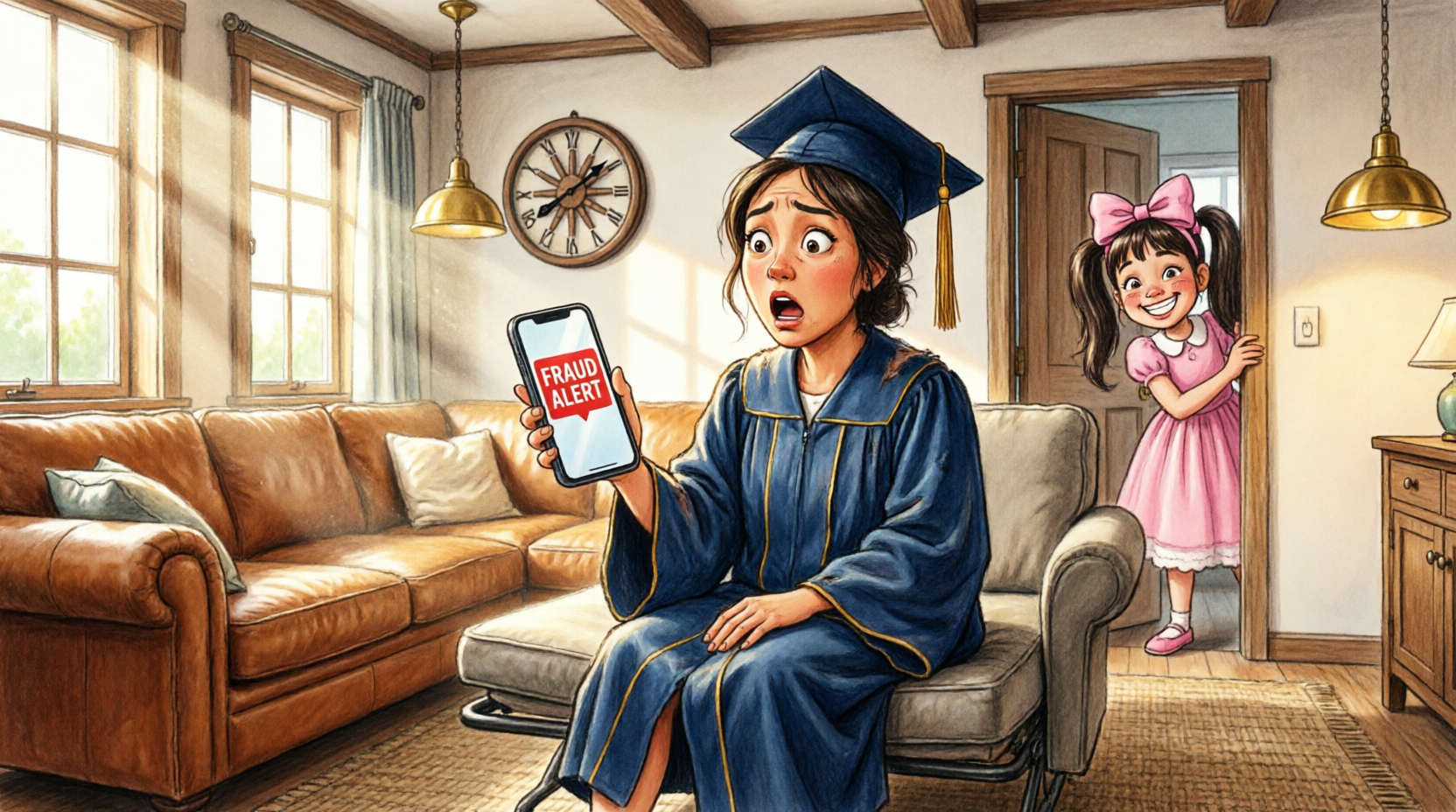
Sometimes I still think about that graduation night, about how strange it felt to sign those trust papers while music played downstairs and people toasted my future in the backyard. I thought I was being paranoid.
By morning, I understood better.
My grandparents hadn’t left me millions because they believed money would make me safe.
They left it because they knew one day I would need the power to save myself.

